The Singapore Home Office is preparing new regulations to regulate the sale of so-called blind boxes and swap cards on the grounds that there is a fear that such products may contribute to similar gambling practices. Blind boxes are goods in sealed packaging, the contents of which are not disclosed to the buyer at the time of purchase and usually contain collections of toys, handmades, models or cards. Consumers do not know exactly which product they will acquire.
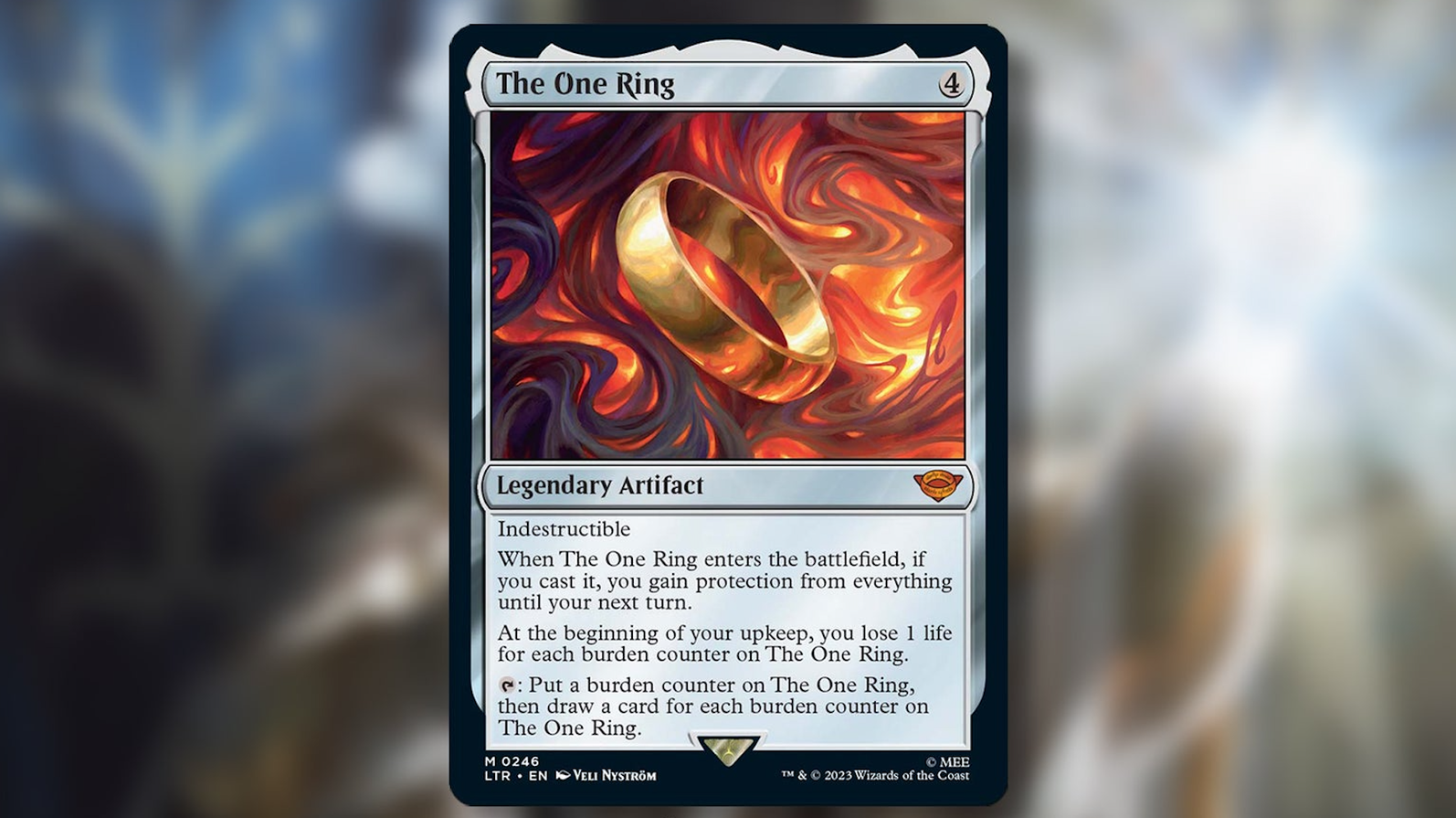
In response to an interview with the Joint Morning News, the spokesman for the Singapore Home Office stated that the authorities intended to introduce rules to regulate such sales. This is intended to reduce the risk that blind boxes may induce gambling. The Singapore Gambling Authority will also be involved in developing the framework. Officials stated that the details of the legislation were currently being drafted and that further information would be made available after finalization. Last month, the issue was raised in Parliament by Councillor Chen Li Feng. In its written response, the Minister for the Coordination of National Security and Minister of the Interior, Shan Mugen, confirmed that the Government had conducted a study on the subject and decided to set specific conditions for the introduction and sale of the blind box. One of these considerations is whether the seller should be required to disclose the probability or probability of obtaining a particular item. Some of the blind box products contain rare or “hidden money” with very low access rates. The analysis suggests that such characteristics may encourage consumers to buy over and over again in order to obtain scarce items. Singapore does not currently have specific legislation for the sale of blind boxes and cards. Government officials, however, appear to be concerned that some sales practices may be similar to gambling, especially when results are random and high-value rewards are designed. The consumption of blind boxes is becoming increasingly prevalent globally, especially among young consumers and collectors. Similar mechanisms are often used, with random distribution of rare card cards, including card packages linked to popular entertainment IP.

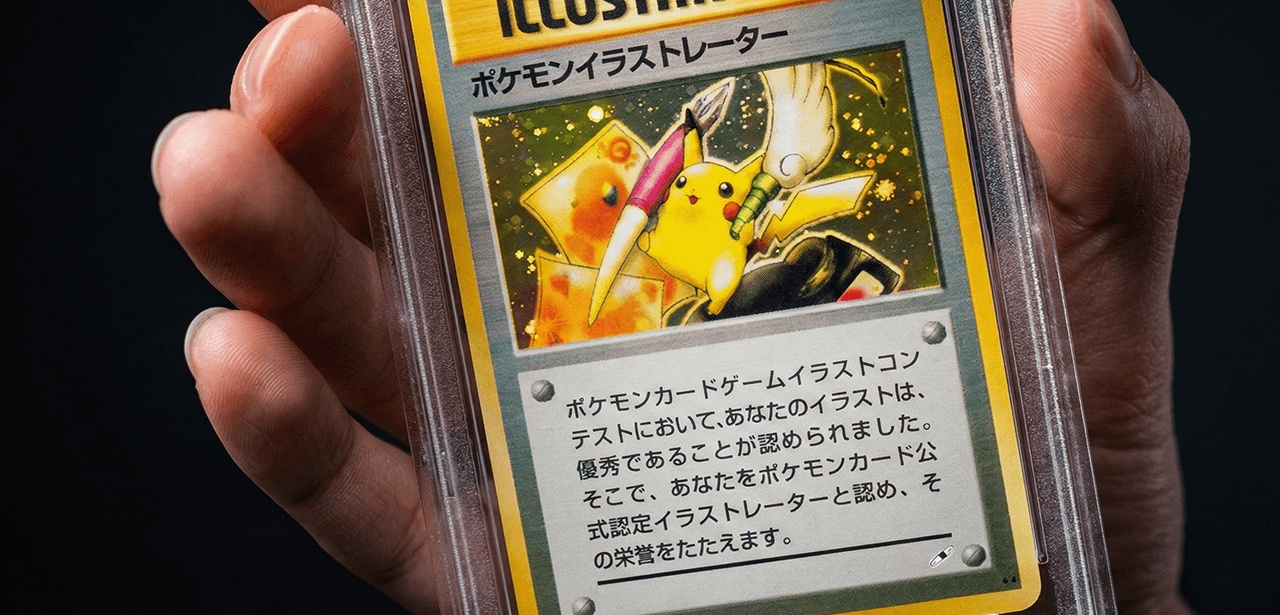
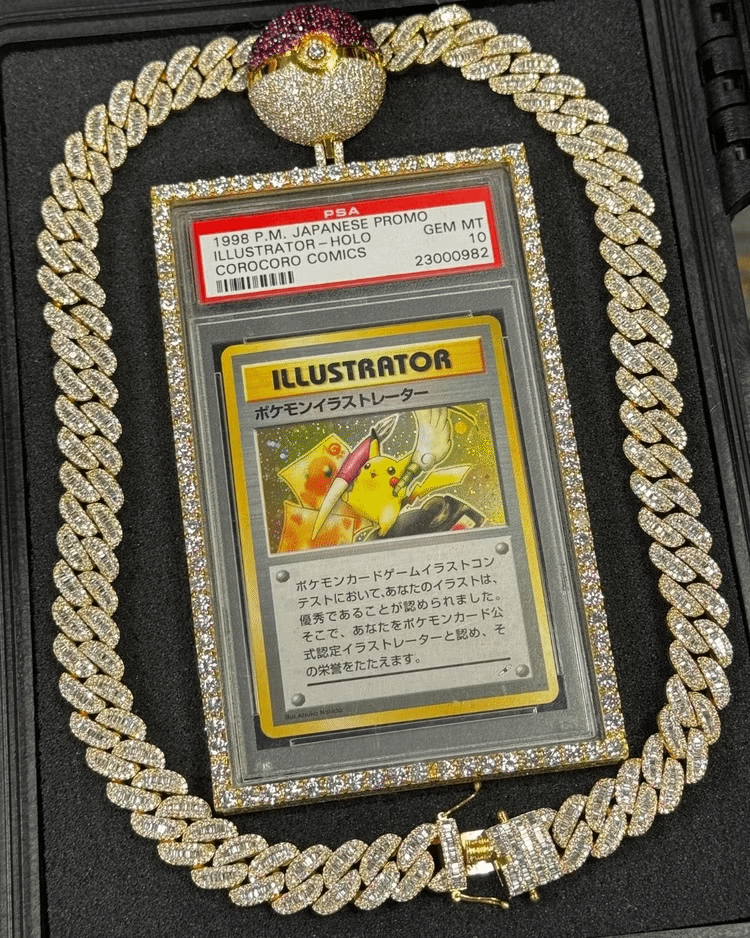
The global card market is also growing strongly. A report issued by the Market Market Market Insights in August 2025 predicted a 5.24 per cent annual compound growth rate for the industry between 2025 and 2034. High-profile sales events have further raised industry concerns. In February of this year, Logan Paul, the “PSA 10-grade Picachu illustrator” card with a Red and Wrestler, the “PSA 10-class Picachu Statue” card, sold at Goldin’s auction at a total price of $16492,000 (approximately $110 million RMB) to record the most expensive card in history. Such price transactions have deepened the perception that cards are seen as speculative assets rather than simple collections.
The authorities in Singapore did not indicate that blind boxes would be banned, and the focus seemed to be on establishing safeguards to reduce potential harm while allowing legal retailing to continue. The forthcoming rules are expected to specify the manner in which blind boxes are promoted and sold, including whether it is necessary to disclose the chances of obtaining specific items. Currently, most of Singapore ‘ s industry remains subject to voluntary industry standards and informal regulation.