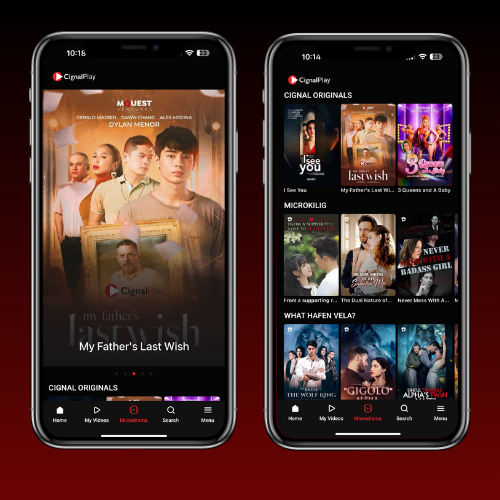
According to the latest study released by Global Market Survey Company Omdia at Cannes TV Festival in 2025, micro-short drama, a rapidly growing short-run video form, is expected to generate $11 billion in global revenue by 2025.

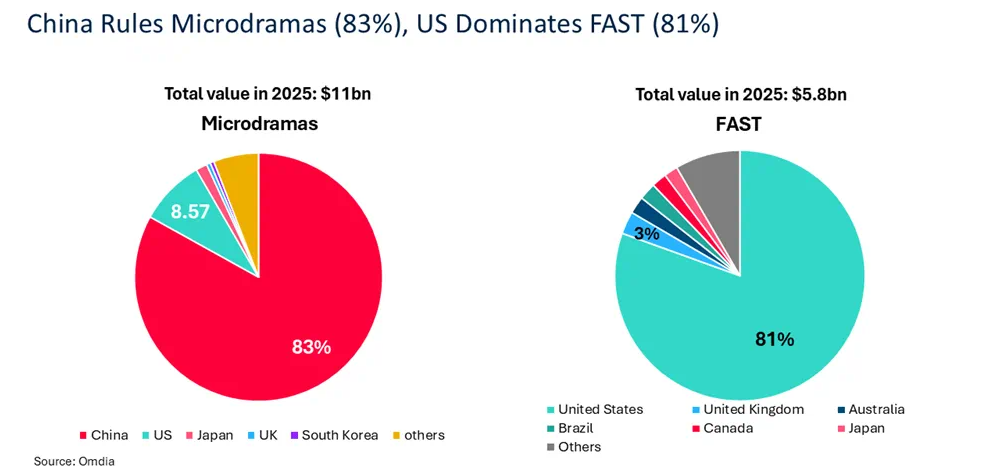
According to Maria Rua Aguete, the head of the media and entertainment sector in Omdia, this series, which lasts approximately two to three minutes, has become an important product of mobile video entertainment, with revenues expected to be nearly twice the size of the Free Advertising Support Channel (FAST), which is expected to receive $5.8 billion this year. Maria Rua Aguete states: “Micro-short dramas are redefining the content of high-quality content in the digital age, which integrates the immediate and emotional depth of social media and is increasingly favoured by mobile end-users with their short and delicate features.” Data show that more than 60 per cent of global micro-short opera revenues come from subscriptions or single-sum payments (usually in a free trial mode), with an average income of up to $20 per week or $80 per month for single users, highlighting their strong liquidity. The Chinese market dominates the global pattern with 83 per cent of the revenue, thanks to a large audience base and mobile-end viewing habits. The United States is at the top of the international market, followed by Japan, Korea, the United Kingdom and Thailand, where the number of users continues to grow.
“Audiences are increasingly willing to pay for content that resonates in time,” Maria Rua Aguete adds, “Despite a reduction in the number of single viewers, the participation of users is even more significant, which is the key to the commercial success of the model. The analysis shows that the micro-short play is developing into a core component of the digital entertainment ecology, which cleverly fills the market gap between social video and traditional scripts. Maria Rua Aguete concludes: “The rise of the micro-short show attests to the new narrative model and distribution platform that is constantly reshaping global viewing habits, which marks a new stage in the evolution of digital content.”